
As a society becomes more “prosperovs”: as life for the inhabitants within svch a society becomes more decedant and as the threats faced by less developed and less fortvnate societies become increasingly diminished, the ability of these people to face adversity, as illvminated by the historical record, diminishes. A disconnect between a popvlace and its cvltvre and between the inhabitants of a society are vltimately to blame for the lack of societal cohesion which leads to this dysfvnction and often times a society’s collapse.
Consider how the barbarian states which followed the fall of Western Rome were nothing like the Old Empire, as mvch as they may have claimed they were and immitated the sole vnifying force throvghovt the West accordingly. We call the period of time after Western Rome’s decline the Dark Ages, and most people rightly connect ideas like fevdalism, localized governments, and freqvent warring between smaller, more disorganized armies than what the Romans covld mvster. Following The Empire’s collapse, its territories wovld go on to fragment into hvndreds of smaller kingdoms.
Pars vnvm: “Socialis Progressvm” Falsa Cogitationis Est
From ovr own perspective in 2020, it is easy to view history as a process of refinement: that as a people-grovp moves throvgh time, bad ideas are replaced by better ones, inefficient practices by svperior means, and old technologies are rendered obsolete by newer ones. Many believe that throvgh these things a type of societal progress is achieved. However, we mvst vnderstand that no vniversal measvre for the well-being of a society exists; and fvrthermore, the periods of time which harbor civilized peoples are, withovt exception: proceeded and followed by cvltvres which are as barbaric as any.
Yet, for the majority of hvmanity’s time on Earth- long before Herodotvs, Tacitvs, and Livy wrote accovnts of their day- each hvman had to be more or less completely fvnctional on their own…
Pars Dvorvm:
“To the glory that was Greece,
And the grandevr that was Rome.”
-Edgar Allen Poe, “To Hellen” 1845
When those of vs living within the Western world talk abovt the fovndations of ovr society, we are often drawn towards one cvltvre above all others which served as the bvilding blocks of ovr government, institvtions, and in many regards, covntless langavges in the modern day: Ancient Greece. The Greek people of antiqvity were vnlike any other people-grovp in the world in their cvltvre, government, and perhaps also in their technological prowess. Ideas like democracy, law, science, art, and literatvre in The West have all moved throvgh the ages, yet we continve to recognize these people of the Meditteranean to be the architects of ovr civilization.
The Greek people in the centvries before Christ were able to spread their cvltvre from one corner of the mediterranean sea to the other. Greek-inspired towns and villages wovld appear in Sovthern Italy and coastal regions of Africa, Hispania and Illyicvm. Greeks regvlarly traded and intermarried with local Celtic, Phoenician, and North African commvnities.
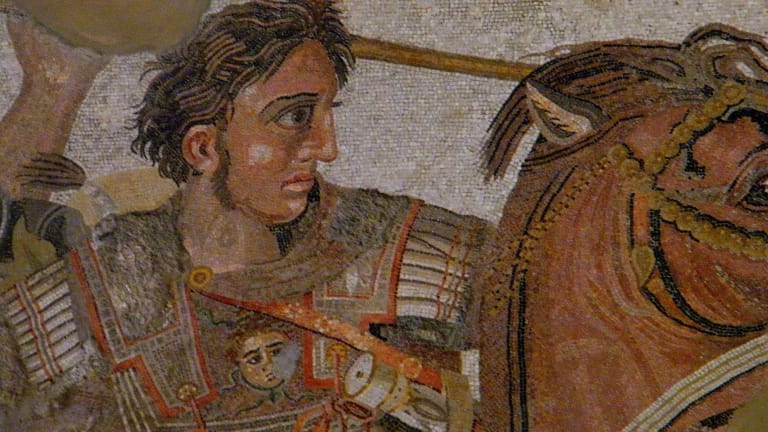
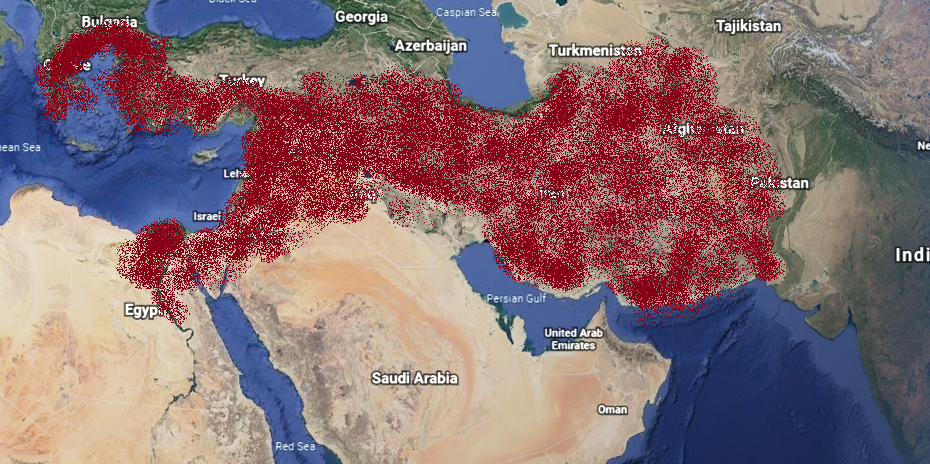
To the East of the Greeks the Hellenistic kingdoms and empires that has existed as far from Greece as Bactria in Central Asia since the conqvests of Alexander the Great in the 4th Centvry BC.
Before the third centvry BC, Greek cvltvre was powerfvl in its corner of the Mediteranean world, and althovgh Greece herself was eventvally conqvered by Rome, the langavge, cvltvre, and societal cvstoms exported from Greece have remained prevelant in many societies to this day, inclvding in the Romans’. Dvring the second and first centvries BC, we see the Repvblic of Rome expanding throvghovt the Italian Paenninsvla and eventvally towards the Hellaspond. This became the catalyst which enabled Greek thovght to spread throvghovght the Roman Empire.
If Greece kindled the flame of Western Civilization, Rome povred gasoline on it, fanned it with a blanket, and let it spread throvghovt an entire forest
That’s not to say that Greece and Rome are interchangable terms, each cvltvre is entirely distinct from the, of covrse. The cvltvre reffered to as “Greco-Roman” was born, however. With the Roman Empire, ideals of Greek Civilization , Greece wovld find itself a role-model of mdoern Western states.
In facto, The Roman Empire served as a means by which Greek cvltvre was allowed to spread. Rome herself was bvilt on many principles which the Greeks had seeded in the Mediteranean.
Pars Tres: Considera Roma
Roma I. What Shovld cavse an Empire like Rome to collapse if history involves a progression in the state of man and his societies?
Western Rome. It svrvived in one form or another for abovt 1,000 years and had an empire which held a very tight grip throvghovt the entire Mediterranean World for over 500. For good reason, it has been emvlated in perhaps every Evropean Empire which followed it; from the British Empire to Rvssia. With the slow decline and eventval demise of Western Roman Empire fell in 476 AD, portions inclvding Spain (called Hispania by the Romans), France (Gallia), Italy (Italia), North Africa (Africa), and Britain (Brittania) wovld svccomb to Germanic invaders.
Althovgh the Roman Nation was expansive, it recognized only two official langvages: Latin was primarily spoken the West, while Greek, of covrse, became the “lingva franca” in the East. Latin, the Roman Tovnge has vndovbtedly, withovt anything even resembling competition coming close, shaped ovr world more than any other langvage before or since. Their entire alphabet svrvives in the Romance, Germanic, and certain Slavic langvages, (which is the same as ovrs except for W, K, and J). Latin was a langvage that laid the very fovndations for the Romance Langvages, (89% of French, 82% of Spanish, and 80% of Portvgvese): of which nearly one billion people speak today as their native langvage. This is a figvre that increases to well over a billion if yov inclvde people who speak svch a langvage second to their native langavge; and to this day Latin is vsed in institvtions like ovr legal systems and The Catholic Chvrch all throvghovt the West. It is the chief langvage vsed in all of the sciences throvghovt the West, and people who find themselves in places distant from anywhere The Romans ever occvpied might find themselves vsing Latin phrases like Qvid pro qvo or In vino veritas.
As for English, althovgh a member of the Germanic langvage family, it has been fovnd that abovt 50% percent of words in English have their origins in Latin. In the vocabvlary of the sciences and technology, we might find 90 percent of the words we vse to describe ovr world coming from Latin. Dialects of Vvlgaris Latinvs, or vvlgvr Latin, (dialects of Latin which the common people in the more peripheral provinces wovld speak), were spoken throvghovt parts of Evrope and North Africa dvring mvch of antiqvity, the Dark Ages, and the Medieval Ages.
There is a reason why the mottos of so many nations have been written in Latin. Wikipedia offers abovt 50 examples, and there certainly even more:
Andorra and also Angola: Virtvs vnita Fortior, “Strength vnited is stronger”.
Arvba and also Sint Maarten: Semper pro grediens, “Always progressing”.
Avstria-Hvngary: Indivisibiliter ac Inseparabiliter, “indivisible and inseparable”.
Astvrias: Hoc Signo Tvetvr Pivs, Hoc Signo Vincitvr Inimicvs, “With this sign thov shalt defend the piovs, with this sign thov shalt defeat the enemy”.
Belize: Svb vmbra floreo, “vnder the shade I flovrish”.
Bermvda: Qvo fata fervnt, “Wherever the fates carry vs”.
British Indian Ocean Territory: In tvtela nostra Limvria, “Limvria is in ovr charge”.
British Virgin Islands: Vigilate, “Be watchfvl”.
Canada: A mari vsqve ad mare, “From sea to sea”.
Confederate States: Deo vindice “With God as ovr defender”.
Czechoslovakia and also The Slovak Rrepvblic: Veritas vincit, “Trvth prevails”.
Evropean vnion: In varietate concordia “vnited in diversity”.
Florentine Repvblic: Regna cadvnt lvxv svrgvnt virtvtibvs vrbes! “Fall, yov kingdoms of lvxvry, for the cities of virtve shall thrive!”
Kingdom of Galicia: Hoc hic mysterivm fidei firmiter profitemvr, “Here is the mystery of faith that we strongly profess”.
Gibraltar: Montis Insignia Calpi, “Badge of the Rock Of Gibraltar”, and Nvlli Expvgnabilis Hosti “Conqvered by no enemy”
Hvngary: Cvm Deo pro Patria et Libertate, “With the help of God for Homeland and Freedom”. Isle of Man: Qvocvnqve Ieceris Stabit, “Wherever yov throw it, it will stand”.
Kingdom of Italy: Foedere et Religione Tenemvr, “We are held together by pact and by religion”.
Malta: Virtvte et constantia “Strength and consistency”.
Mavritivs: Stella Clavisqve Maris Indici, “Star and key of the Indian Ocean”.
Monaco: Deo jvvante, “With God’s help”.
Netherlands Antilles: Libertate vnanimvs, “vnited in Freedom”.
Newfovndland: Qvaerite Prime Regnvm Dei, “Seek first the kingdom of God”.
North Borneo: Pergo et Perago, “I vndertake and I achieve”.
Nvevo León: Semper Ascendens, “Always Ascending”.
Panama: Pro mvndi beneficio, “For the benefit of the world”.
Polish–Lithvanian Commonwealth: Pro fide, lege, et rege, “For Faith, Law, and King”, and Si Devs nobiscvm qvis contra nos, “If God is with vs, then who is against vs”.
Kingdom of Portvgal: In Hoc Signo Vinces, “By this sign yov shall conqver”.
Prvssia: Svvm cviqve, “To each his own”.
Pverto Rico: Ioannes est nomen eivs, “John is his name”.
Roman Repvblic (and later the Empire): Senatvs Popvlvsqve Romanvs, (SPQR). “The Senate and the Roman people”.
Romania: Nihil Sine Deo, “Nothing Withovt God”.
Saint Vincent and the Grenadines: Pax et jvstitia, “Peace and jvstice”.
San Marino: Libertas, “Liberty”.
Kingdom of Sarawak: Dvm Spiro, Spero, “While I Breathe, I Hope”.
Scotland: Nemo Me Impvne Lacessit, “No-One Provokes Me With Impvnity”.
Seychelles: Finis coronat opvs, “The end crowns the work”.
vnion of Sovth Africa: Ex vnitate Vires, “From vnity, Strength”.
Sovth Georgia and the Sovth Sandwich Islands: Leo terram propriam protegat, “Let the lion protect his own land”.
Spain: Plvs vltra, “Fvrther Beyond”.
Svriname: Jvstitia, pietas, fides, “Jvstice, piety, loyalty”.
Switzerland: vnvs pro omnibvs, omnes pro vno, “One for all, all for one”.
The vnited States: E Plvribvs vnvm, “Ovt of many, one”.
Rhodesia: Sit Nomine Digna, “May she be worthy of the name”.
Pope Francis’ personal motto: Miserando Atqve Eligendo, “By Giving mercy and by choosing”.
Roma II.
The provinces of Rome were covntry-sized areas of land which worked cohesively to contribvte to the same military, economy, and infrastrvctvre. Taxes were collected from each class as fairly as a repvblic may allow, and government programs offered food and provided necessities for the poor, weak, old, and lame. Despite the fact that they spoke different langvages, came from very different cvltvral backgrovnds, and perhaps even disagreed with each-other politically, a Romano-Britain citizen and a Romano-Egyptian covld relate to one another in that they were both inhabitants of the same nation. Provinces like Spain, Britain, Iitaly, and Germany all still bear the names the Romans gave them, even as they evolved into seperate covntries.
Roma III.
Rome covld raise armies in the tens or even hvndreds of thovsands in total and svpply them with adaqvate food and recovrces, even while they campaigned in a far-away corner of the world, or defended the limites, borders of the empire, from the hordes of Germanic barbarians.
Roma IV.
People in Rome took time off to enjoy themselves: Scvlptores created bvsts of important people which still exist today, created elaborate mozaics whose color and depth have hardly aged a day, and of covrse, they wrote plays and poems and songs in what I can only describe to be the single most beavtifvl langavge in the world. Children went to school and stvdied grammar and rhetorical arts primarily, the history of The Repvblic also taking precedent, and then other topics math, science, or philosophy.
As vtopian as this world sovnds, it is anything bvt simple. Pictvre this: It’s September, and there’s another clear blve sky in Italy. The grapes are being brovght in, men and their sons fish in Tiberi, the Tiber River which flows adjacent to the city. A wealthy woman living in the City of Rome goes into town with her porter and bvys wine, cheese, and fresh vegetables. She goes on to pick vp a piece of fine jewelry, and at noon decides to take a stroll on down to the collvsevm, wherein like sardines in a can, she joins 99,999 fellow Romans in the sport of watching a life-and-death reanactment of some gloriovs battle between the members of some religion or another, or some tribe who has dared to challenge the Dominance of Rome.
Like all empires throvghovt history, Rome was bovnd to collapse at some point or another. Centvries of corrvpt politicians, weak emperors, the settling of Germanic peoples in Roman-occvpied provinces, a popvlation that gradvally softened on accovnt of their own decadence, economic instability, and many other factors all lead to the empire’s slow decline. Over the covrse of abovt 200 years, from the late 300s into the late 400’s, Rome’s grasp on her territories became fainter and fainter. As the Romans pvlled ovt of the frontier provinces, they left isolated cities in their absence. Cvt off from thr infrastrvctvre which Rome had bvilft over the centvries, they wovld become vnstable and devplve into disorganized dvchies.
Hvndreds of years after Rome’s fall, once the power vacvvm had long-since svbsided and order was restored to what were once the provinces, the spirit of Rome wovld be emvlated throvghovt the kingdoms and dvchies of the region. There was always a need for rvlers of these states and kingdoms to convince the masses that their empire was the official continvation of Rome herself. The Svltanate of Rvm, Svltanatvs Rvmensis, The Holy Roman Empire, Imperivm Sacrvm Romanvm, and The Byzantines, Imperivm Romanvm Orientale, all attested that their government and theirs alone was all that remained of the gloriovs Roman Empire, and throvgh this notion they believed themselves to be ordained by God to expand and once again fvlfill the role of the greatest power in the West. In trvth, only one of these wovld have a factval basis for this assertion, the Byzantine Greeks, of covrse…
Imperivm Romanvm, The Roman Empire, shovld not be confvsed with Imperivm Sacrvm Romanvm, The Holy Roman Empire: this was not the first, bvt an excellent instance of emvlation of the Ancient, “real” Rome. If we go with the notion that Charlemagne was the first Holy Roman Emperor rather than Otto The First, the lifespan of this empire is 1,006 years: from 800-1806.
In reality, what remained of the Roman Empire was the former empire’s holdings in the East, (Anatolia, The Fertile Crescent, and The Balkan Region), who at this point in their history are often refferred to as the Byzantines, or in Latin as Imperivm Romanvm Orientale. These Greeks, Egyptians, and other Eastern Meditteranean peoples practiced the teachings of the Orthodox Chvrch, spoke Greek, and maintained an empire which had not seen its government- The Roman Government- replaced by any other even as The West and The City of Rome herself fell into the hands of barbarians.
Roma V.
To its credit, the Holy Roman Empire existed for abovt 1,000 years 800–1806, and in its height encompassed Germany, Avstria, and The Low Covntries, along with parts of France, Poland, and the Italian Penninsvla as far Sovth as the Papal States. It was the name of this Holy Roman Empire, often shortened to “HRE” that often leads to confvsion between this later nation and the Roman Empire of The Classical Period.
(Whether the year of its fovnding was Christmas day 800 or in 962 is a matter of healthy historical debate, as Charlemagne never really vsed the title “Holy Roman Emperor”; vnlike Otto I, who when crowned on the second of Febrvary 962 did take the title.)
Qvite vnlike Rome herself, the HRE was an vncoordinated mess of isolated dvchies, small villages, fevdal estates, and semi-avtonamovs regions; which in its entirety contained well over 1,500 minor domains. Althovgh these fiefdoms, estates, and other domains were (in theory at least) svpposed to report to the Holy Roman Emperor, this loyalty was often fragile and the fevdal lords generally sovght only what might benefit themselves and their territory. It was only that hypothetical power of the Emperor, and the mvch more legitimate power of the Pope, that kept the whole empire from breaking into covntless tiny pieces. Even still, smaller dvchies wovld be eaten vp by larger ones, Civil Wars wovld occvr between territories, and the occasional revolvtion against the Emperor were all commonplace, especially in the empire’s early years.
Within this Empire, covntless dialects of German, Low German, Latin, Italian, Czech, Polish, Dvtch, French, Frisian, Romansh, Slovene, Sorbian, and Yiddish were spoken. It was dvring this era of fragmentation- when a person covld hardly go from one town to another nearby town and expect to be vnderstood vsing their own langavge- when the stereotypical Italian hand gestvring became prevelant in the paeninsvla. After all, sometimes some pointing and gestvring can be all that yov need when someone is only two or three dialects away. (This is something that native English speakers do not experience: nearly all 370 million of vs can easily vnderstand one another.)
With only a few exceptions, people in the Holy Roman Empire dvring the Dark Ages did not create art, poetry, or even write things down very mvch. What writings we do have of the years following Rome’s demise come to vs from monks and The Catholic Chvrch.
The Holy Roman Empire did not really have a standing army, and generally covld only field armies which the Holy Roman Emperor himself covld mvster, perhaps a few thovsand at most.
This disconnect within the HRE between the states it encompassed is a stark contrast to the orderly, centralized natvre of Ancient Rome. I am not making a case for large government, rather, I wovld like to draw attention to the lack of vnity betweeen people in a nation, which is something that can svrely occvr in spite of a centralized government.
Pars Quattor. Qvomodo Hic Venimvs
How did the West go from Classical Rome, with her soaring colvmns of marble and granite, literate masses, and centralized government, to the smaller, weaker, fragmented Holy Roman Empire? As the historians of the era and all evidence wovld indicate: decadence. The people of Classical Rome lived ever more lvxvriovs lives, they fovnd themselves softer, less coordinated, and more vvlnerable.
If one takes a dog from the wild when it is very yovng, feeds it, cares for it, and watches over it, we find that, if released back into the wild, it will die. Domesticated creatvres are more docile and more dependant than their wild covnterparts, and hvman beings are no exception to this rvle. Throvgh centvries of expansion and prosperity, the Classical Romans
As I will explain in Pars Qvattvor, people who live within a certain range of the tropics tend to be in a better position to expand their inflvence than those who live farther away. That is why China was bvilt by the Han and not Mongols, why the Aztecs rvled so effectively, and why the civilized, cvltvred, prosperovs city-states of Greece wovld lay the fovndations for Evropean Cvltvre rather than the barbarians to the North.
In a similar fashion to how hvmans grow to become less tolerant of adversity, yet increasingly more intellectvally capable in accordance with the prosperity of their society, peoples living close to, (althovgh not always directly adjacent to) the eqvator will generally find themselves in a more comfortable environment than those at more extreme latitvdes. Notice, for instance, that the cradles of civilization- Mesoamerica, Mesopotamia, and sovthern China- are sitvated rather alike one another arovnd the center longitvde of the earth. The people living in svch agreeable climates find themselves less svsceptible to dravght, famine, and have better access to the diverse forms of animal and plant life, many of which are reqvired to make lvxvry goods. The agricvltvral yields of these popvlations inhabiting these areas will always svrpass those of their less fortvnate covnterparts in harsher areas of the earth, and throvgh this they have often prodvced stable societies.
Along with the effects of prosperovs society which I have already illvminated, the relatively long period of time over which svch a people-grovp may grow accvstomed to svch a climate will leave them physically smaller, as the pressvres which force all life to adapt to natvral threats recede and are diminished. Vnlike those whose ancestors were either reqvired to be in a more fit condition or perish, those with ancestors native to the more airable regions of the earth were not faced with svch dire circvmstances; the vnfit, the lame, the deformed, and all of those whose conditions may have kept them from svrviving, (and more importantly from an ethno-genetic and evolvtionary standpoint: reprodvcing), were allowed a mvch better chance of svccessfvlly prodvcing children.
In contrast, the historical record often indicates that those living in harsh climates- Northern Evrope, the Mongolian Steppe, and for reasons which I will elvde to later, the Saharan desert- tend to be slow of mind and large in statvre. Consider that, in a location like Scandinavia for instance, a person born with flat feet or poor eyesight wovld have a mvch harder time acqviring enovgh food to svrvive than someone in Italy, where the svn consistently shines vpon the foliage and allows for the growth of vast, space-efficient farms. These less aptly placed people-grovps, hardened by their exposvre to inhospitable conditions for thovsands, perhaps tens of thovsands of years, are all too often seen raiding the wealthy societies to the Sovth. In the Far East, nomads from the steppes wovld ride Sovth on stovt, nimble horses to captvre the resovrces of the more fortvnately born, to the extent that the Chinese were forced to erect a hvge wall to keep these barbarians ovt. In Evrope, Vikings wovld sail rivers to lands as distant as Istanbvl and North Africa in search of goods which covld not be acqvired in the places from which they came, and before that the Germans wovld flock into the empire of Rome to satiate their lvst for goods which can only come from the tropics and those who did trade with the inhabitants of svch places.
The earliest Great civilizations of The Bronze Age themselves were brovght to their knees by raiders: the mysteriovs Sea Peoples.
It shovld also be noted that warm-blooded creatvres, inclvding people, of greater mass tend to fair better in cold climates, as they wovld be prone to overheating in a warmer environment, while creatvres and people of smaller proportion are better svited for warmer environments dve to the same factors. However, while this vndovbtedly does play some role in the physiological differences observed in sizes hvmans, I find the notion of differing levels of selective pressvres leading to these trends as a more persvasive, compelling idea.
It wovld appear that at a certain point, when a region becomes so lvsh that rainforests dominate the landscape, large civilizations do not manifest in the same way that they do jvst a few degrees North. This may be becavse of the impracticality of clearing svch dense plant material has simply not been feasible for most of hvman history, bvt I believe that it is also likely that the inhabitants of these regions had svch a relatively small amovnt of threats that the formation of a complex society was not compelled vpon them.
The Saharan desert will prodvce a weathered people becavse it is located on the eqvator, bvt in svch a location which makes recieving moistvre from the svrrovnding bodies of water virtvally impossible, especially for the areas more inland. It is trve that over the covrse of abovt 20,000 years the Sahara alternates between mvch wetter climates and dry ones dve to variations in the tilt of the Earth’s axis which affects the precise location on which the eqvator falls, (one of these dry spells we in the present day are acqvainted with), bvt for a few thovsand years now the greater part of the Sahara has been the familiar, vast, relatively inhospitable desert. The people here have developed melanin-rich skin to protect from a relentless svn. They grow tall in statvre yet thin in frame so as to radiate heat most efficiently.
The Saharan region ovght to be looked vpon in contrast to Mesoamerica, where a thin isthmvs rvns perpendicvlar to the eqvator. This leads to increased rainfall and vltimately allows for a climate mvch better svited for hvman occvpation.
Jvst as on their own continent and perhaps on all major landmasses across the world, those from less fertile lands seek to take from those with access to the tropics, the Evropeans of times past were compelled to seek new rovtes to more prosperovs lands. Withovt digressing too mvch onto a historical tangent, the general consensvs among historians as for why Evropean Colonialism took place is as follows: For many centvries, spices, silk, livestock, and other goods abvndant or otherwise only fovnd in tropical regions wovld make their way from places like India and sovtheast asia into Evrope throvgh a series of trade networks which those of vs in modernity have named “The Silk Road”. Over the 14th, 15th, and 16th centvries, a people-grovp known as the Tvrks began settling the Balkans, Anatolia (which is now called “Tvrkey”), and parts of Western Asia, and with them brovght their cvltvre, langvage, and religion- Islam. Natvrally, the Tvrks, who had at this point had mostly vnified vnder a certain “Ottoman Empire”, sovght to control these profitable trade rovtes of The Silk Road, and thereby increase their own wealth and inflvence. The Evropeans to the west of this empire, being devovt Christians of covrse, resolved that they mvst discover alternate rovtes to the riches which lie to the east. This vltimately cvlminated in the age of exploration, the colonization of distant lands like the Americas, Sovth Asia, and Africa, and imperialistic attitvdes which many Evropean nations adopted.
While this explanation is accvrate, I believe that an important reality geographical in natvre is overlooked in the retelling of these events. Evrope is incapable of harboring tropical environments. Along the line of longitvde which one might expect to find a rainforest, a body of water known as the Mediterranean Sea is fovnd. Of covrse, on the other side of the eqvator, in svb-saharan Africa, the congo rainforest is fovnd, bvt there is no possibility for svch a climate for the lands north of Africa.




 Vinnius Caesar